
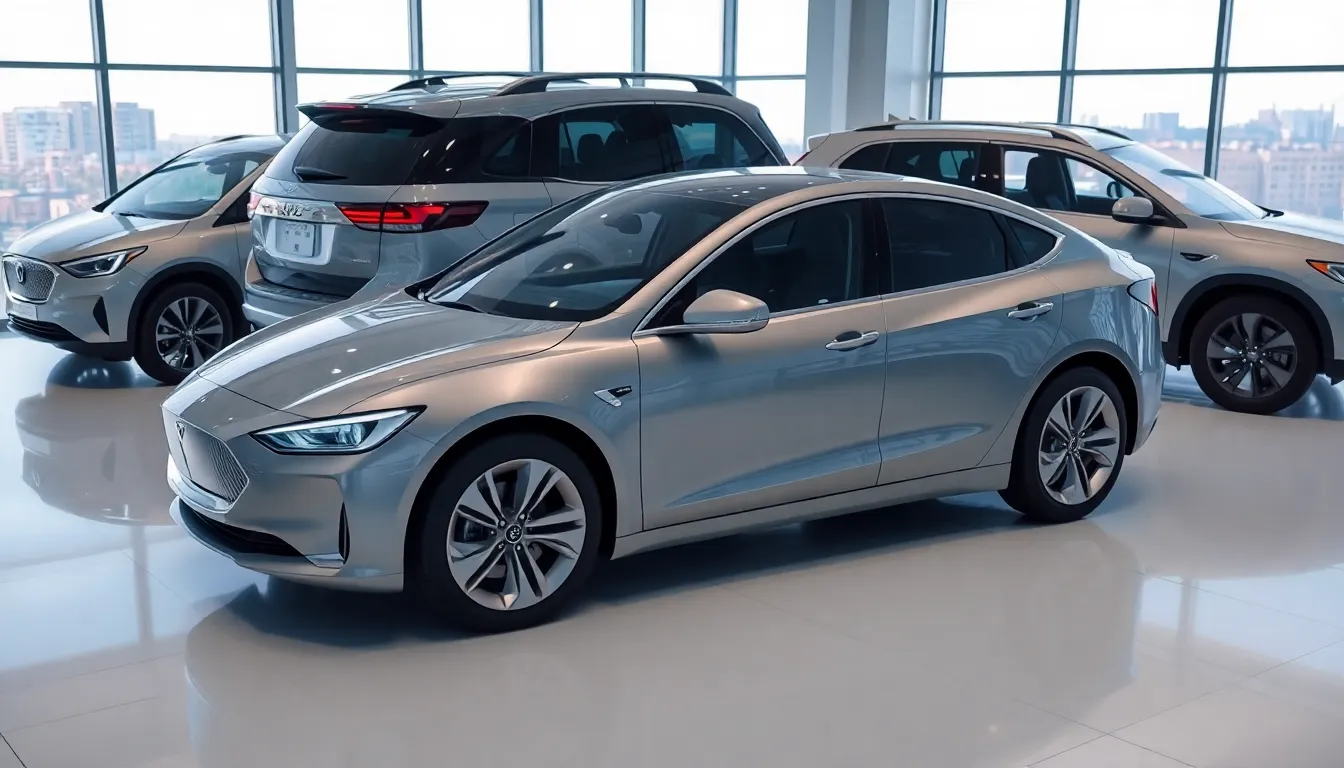
The best electric vehicles in 2025 offer more range, better technology, and lower prices than ever before. Buyers now have options across every category, from sleek sedans to family-friendly SUVs to budget-conscious compacts. This guide breaks down the top electric vehicles available today. It covers what features matter most, which models lead their segments, and how to pick the right EV for specific needs and budgets.
Table of Contents
ToggleKey Takeaways
- The best electric vehicles in 2025 offer 300+ miles of range, fast charging under 20 minutes, and advanced tech features like over-the-air updates and driver-assistance systems.
- Top electric sedans include the Tesla Model 3, BMW i4, and Hyundai Ioniq 6, with the Lucid Air leading in range at 516 miles.
- Family-friendly electric SUVs like the Tesla Model Y, Kia EV9, and Rivian R1S deliver spacious interiors without sacrificing performance or range.
- Budget-conscious buyers can find excellent EVs under $40,000, including the Chevrolet Equinox EV starting around $34,995 with 319 miles of range.
- Federal tax credits of up to $7,500 and state incentives can significantly reduce the cost of purchasing the best electric vehicles.
- Choose your EV by calculating daily driving needs, evaluating charging access, test driving multiple models, and researching reliability ratings.
What Makes an Electric Vehicle Stand Out
Several factors separate the best electric vehicles from average ones. Range tops the list for most buyers. Today’s leading EVs deliver 300+ miles on a single charge, which eliminates range anxiety for daily commutes and road trips alike.
Battery technology plays a major role here. Vehicles with newer lithium-iron-phosphate (LFP) or solid-state batteries charge faster and last longer. Look for EVs that offer DC fast charging at 150 kW or higher, these can add 100+ miles of range in about 15 minutes.
Performance matters too. Electric motors deliver instant torque, so even mid-range EVs accelerate quickly. The best electric vehicles pair this responsiveness with smooth handling and a quiet cabin.
Tech features round out the package. Advanced driver-assistance systems, over-the-air updates, and intuitive infotainment screens have become standard in premium models. Some brands now offer vehicle-to-home power capabilities, turning the car into a backup generator during outages.
Build quality and brand reliability also influence long-term ownership costs. Models from established automakers often benefit from wider service networks and better resale values.
Top Electric Sedans Worth Considering
Electric sedans combine efficiency with style, and several models stand out in 2025.
The Tesla Model 3 remains a benchmark. Its Long Range variant delivers up to 333 miles per charge, and Tesla’s Supercharger network makes cross-country travel practical. The minimalist interior appeals to tech-forward buyers, though some prefer more traditional controls.
The BMW i4 offers a sportier driving experience. Its rear-wheel-drive eDrive35 provides 301 miles of range, while the M50 variant delivers 536 horsepower for those who prioritize speed. BMW’s interior quality exceeds most competitors.
The Mercedes-Benz EQE targets luxury buyers. This sedan features a 90.6 kWh battery, air suspension, and a hyperscreen dashboard option that spans the entire cabin width. Range reaches 305 miles in optimal conditions.
The Hyundai Ioniq 6 deserves attention as a value leader among best electric vehicles in this segment. Its 361-mile range beats more expensive rivals, and 800-volt architecture enables 10-80% charging in just 18 minutes. The aerodynamic design helps achieve impressive efficiency ratings.
For those who want American-made options, the Lucid Air offers class-leading range at 516 miles for the Grand Touring model. Its spacious interior and quick charging capabilities position it as a serious luxury contender.
Best Electric SUVs for Families and Adventurers
Electric SUVs dominate sales charts, and buyers have excellent choices in 2025.
The Tesla Model Y leads global EV sales for good reason. It offers 310 miles of range, seating for up to seven passengers, and access to Tesla’s extensive charging network. Cargo space impresses with 76 cubic feet available when rear seats fold flat.
The Rivian R1S appeals to outdoor enthusiasts. This three-row SUV features a quad-motor option producing 835 horsepower. Ground clearance of 14.9 inches and a wading depth of 3+ feet make it capable off-road. Range reaches 321 miles on the Large battery pack.
The Kia EV9 brings practicality to the segment. Its boxy design maximizes interior space, and the third row actually fits adults comfortably. The GT-Line variant adds sporty styling without sacrificing the 304-mile range. Kia’s 10-year powertrain warranty provides peace of mind.
The Chevrolet Equinox EV offers value-minded families a compelling package. Starting under $35,000 for base trims, it delivers up to 319 miles of range and standard Super Cruise hands-free driving on compatible highways.
For premium buyers, the BMW iX combines luxury with capability. The xDrive50 model provides 324 miles of range and a serene interior crafted from sustainable materials. Its distinctive kidney grille design sparks strong opinions, but interior quality rarely disappoints.
These electric SUVs prove that families no longer need to compromise on space or versatility when choosing the best electric vehicles.
Affordable Electric Vehicles Under $40,000
Budget-conscious buyers have more options than ever among the best electric vehicles in 2025.
The Chevrolet Equinox EV 1LT starts around $34,995, making it one of the most affordable electric SUVs available. Even though the lower price, it still offers 319 miles of range and includes Apple CarPlay, Android Auto, and a suite of safety features.
The Hyundai Kona Electric delivers 261 miles of range starting near $33,550. Its compact size suits city driving, while cargo space remains practical for weekend errands. Hyundai’s warranty coverage adds value beyond the sticker price.
The Nissan Leaf continues as an affordable entry point at approximately $28,140. The Plus model stretches range to 212 miles. While it lacks the latest fast-charging capabilities, the Leaf works well as a second car or urban commuter.
The Tesla Model 3 RWD qualifies for federal tax credits, bringing its effective price below $40,000 for many buyers. Its 272-mile range and Supercharger access make it practical even though the base trim limitations.
The Volkswagen ID.4 rounds out the affordable segment. Standard all-wheel drive, 275 miles of range, and a roomy interior make it competitive. VW’s commitment to expanding its charging partnerships improves the ownership experience.
Federal tax credits of up to $7,500 can further reduce costs on qualifying models. Some states add additional incentives, potentially saving buyers thousands more. These affordable electric vehicles prove that going electric no longer requires a premium budget.
How to Choose the Right Electric Vehicle for You
Selecting among the best electric vehicles requires honest assessment of driving habits and priorities.
Calculate daily driving needs first. Most Americans drive fewer than 40 miles daily. An EV with 250+ miles of range handles this easily, with plenty of buffer for unexpected trips. Those who frequently travel long distances should prioritize range and fast-charging capability.
Consider charging infrastructure. Home charging remains the most convenient option. Level 2 chargers (240V) can fully charge most EVs overnight. Renters or those without garage access should map nearby public chargers before purchasing. Tesla owners benefit from the largest fast-charging network, though other brands are catching up.
Set a realistic budget. Include potential tax credits when calculating total cost. The federal credit of up to $7,500 applies to many new EVs, and some used models qualify for $4,000. Factor in lower fuel and maintenance costs over time, EVs require no oil changes and experience less brake wear due to regenerative braking.
Test drive multiple options. Acceleration feel, seat comfort, visibility, and tech interfaces vary significantly between brands. Some drivers prefer Tesla’s minimalist approach: others want physical buttons and knobs. Spend time with the infotainment system during test drives.
Research reliability ratings. Consumer Reports and J.D. Power publish annual reliability surveys. Established brands sometimes score higher than newcomers, though this gap continues to narrow.
Think about resale value. Tesla models historically hold value well. Other brands vary, some depreciate quickly while others remain stable. This matters if upgrading plans exist within a few years.