
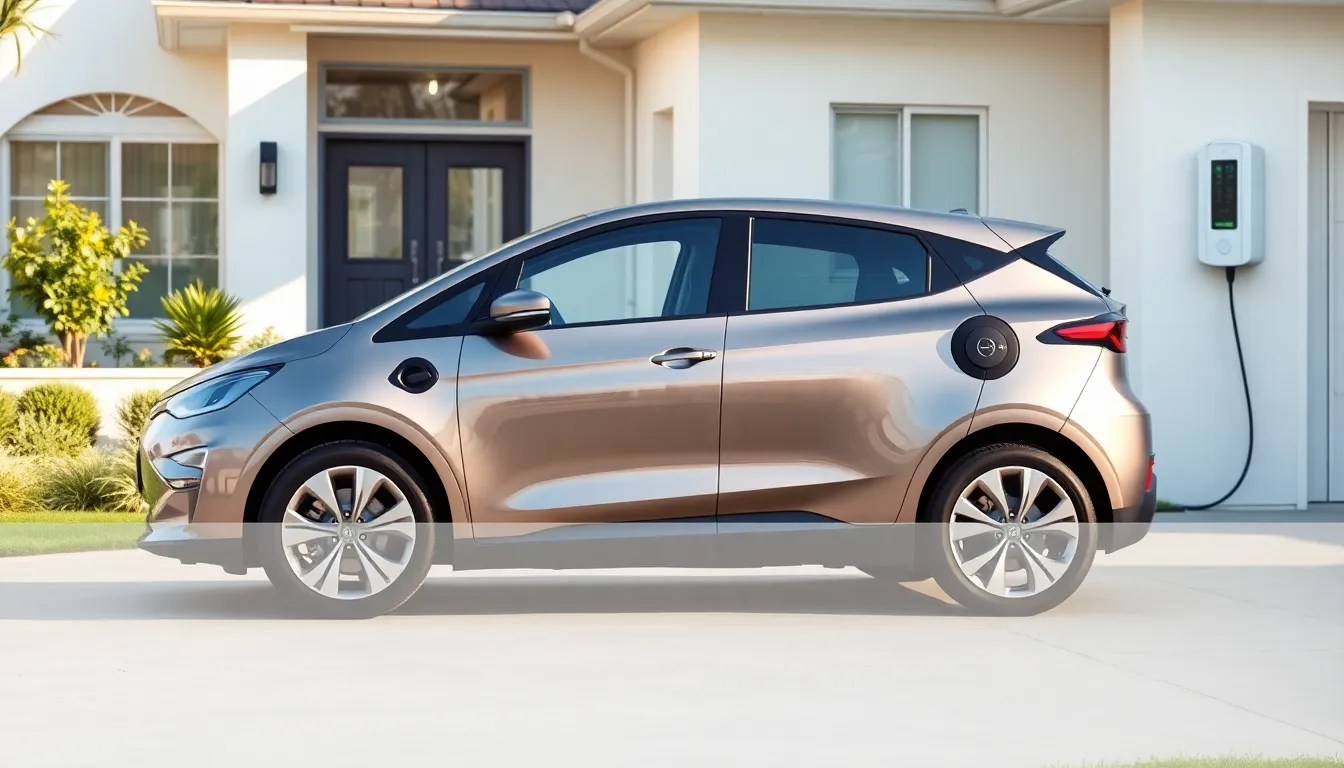
This electric vehicles guide covers everything buyers need to know before making the switch. Electric vehicles have moved from niche technology to mainstream transportation. In 2024, global EV sales exceeded 17 million units, and that number continues to climb. But with so many models, charging options, and price points, choosing the right electric vehicle can feel overwhelming. This guide breaks down how electric vehicles work, the different types available, ownership benefits, charging basics, and the true costs involved. Whether someone is a first-time EV buyer or just curious about the technology, this information provides a clear path forward.
Table of Contents
ToggleKey Takeaways
- Electric vehicles use battery-powered motors that deliver instant torque, require less maintenance, and operate quietly compared to gas engines.
- Buyers can choose from three types: Battery Electric Vehicles (BEVs) for zero emissions, Plug-in Hybrids (PHEVs) for flexibility, and Hybrid Electric Vehicles (HEVs) for fuel efficiency.
- EV owners save $3,000–$5,000 on fuel and about 50% on maintenance costs over five years compared to gas vehicle owners.
- Home Level 2 charging ($500–$2,000 to install) covers most daily needs, while DC fast chargers add 100–200 miles of range in just 20–30 minutes for road trips.
- Federal tax credits up to $7,500 and state incentives can significantly reduce the upfront cost of qualifying electric vehicles.
- This electric vehicles guide shows that total cost of ownership often reaches parity with gas cars within 3–5 years when factoring in incentives and savings.
How Electric Vehicles Work
Electric vehicles operate on a simple principle: they use electricity stored in batteries to power electric motors. Unlike traditional cars with internal combustion engines, electric vehicles have no pistons, spark plugs, or exhaust systems.
Here’s the basic process:
- Battery pack – Large lithium-ion batteries store electrical energy. Most modern EVs use battery packs ranging from 40 kWh to over 100 kWh.
- Electric motor – The motor converts electrical energy into mechanical energy. This powers the wheels directly.
- Power electronics – Controllers manage how much power flows from the battery to the motor based on accelerator input.
- Regenerative braking – When the driver brakes, the motor works in reverse. It captures kinetic energy and sends it back to the battery.
This electric vehicle design offers several advantages. Electric motors deliver instant torque, which means quick acceleration from a standstill. They also operate quietly, with minimal vibration compared to gas engines.
Most electric vehicles use single-speed transmissions because electric motors perform efficiently across a wide RPM range. This simplicity reduces maintenance needs and potential failure points.
Types of Electric Vehicles Available
Not all electric vehicles are created equal. Buyers have three main categories to choose from:
Battery Electric Vehicles (BEVs)
BEVs run entirely on electricity. They have no gas engine and produce zero direct emissions. Popular examples include the Tesla Model 3, Chevrolet Bolt, and Ford Mustang Mach-E. These electric vehicles typically offer 200–350 miles of range on a full charge, with some luxury models exceeding 400 miles.
Plug-in Hybrid Electric Vehicles (PHEVs)
PHEVs combine an electric motor with a traditional gas engine. They can travel 20–50 miles on electricity alone before the gas engine kicks in. The Toyota RAV4 Prime and Jeep Wrangler 4xe fall into this category. PHEVs work well for drivers who want electric commuting but need gas backup for longer trips.
Hybrid Electric Vehicles (HEVs)
HEVs use both electric motors and gas engines, but they can’t be plugged in. The battery recharges through regenerative braking and the gas engine. The Toyota Prius is the most famous example. While technically electric vehicles, HEVs depend primarily on gasoline.
For this electric vehicles guide, BEVs represent the purest EV experience. But, PHEVs offer a practical middle ground for those not ready to go fully electric.
Benefits of Owning an Electric Vehicle
Why are so many drivers switching to electric vehicles? The benefits extend beyond environmental concerns.
Lower operating costs – Electricity costs less than gasoline per mile driven. The average EV driver spends about $500 per year on “fuel,” compared to $1,500–$2,000 for gas vehicles.
Reduced maintenance – Electric vehicles have fewer moving parts. No oil changes, no transmission repairs, no exhaust system replacements. Brake pads last longer too, thanks to regenerative braking.
Better performance – Electric motors deliver power instantly. Many affordable EVs accelerate faster than sports cars costing twice as much.
Environmental impact – Electric vehicles produce zero tailpipe emissions. Even when factoring in electricity generation, EVs create significantly less pollution than gas-powered cars in most regions.
Quiet operation – Electric vehicles run almost silently. This reduces noise pollution and creates a more relaxed driving experience.
Energy independence – Drivers can charge at home using solar panels or standard grid electricity. They’re less vulnerable to gas price fluctuations.
These benefits make electric vehicles attractive to budget-conscious buyers and environmentally minded consumers alike.
Charging Your Electric Vehicle
Charging is often the biggest question mark for new electric vehicle buyers. Understanding the options removes most concerns.
Level 1 Charging
Level 1 uses a standard 120-volt household outlet. It adds 3–5 miles of range per hour. This works for drivers with short commutes who can charge overnight, but it’s too slow for most regular use.
Level 2 Charging
Level 2 requires a 240-volt outlet (like a dryer uses) and a dedicated charging station. It adds 15–30 miles of range per hour. Most EV owners install Level 2 chargers at home. Installation costs $500–$2,000 depending on existing electrical infrastructure.
DC Fast Charging
DC fast chargers are found at public charging stations. They can add 100–200 miles of range in 20–30 minutes. Networks like Tesla Supercharger, Electrify America, and ChargePoint operate thousands of fast chargers across the country.
For daily driving, home charging handles most needs. An electric vehicle plugged in overnight is always ready the next morning. Public fast charging serves road trips and emergencies.
Range anxiety, the fear of running out of charge, fades quickly for most owners. Modern electric vehicles offer enough range for typical daily driving, and charging infrastructure continues to expand rapidly.
Costs and Incentives to Consider
Electric vehicles often cost more upfront than comparable gas cars. But, the total cost of ownership tells a different story.
Purchase prices – Entry-level electric vehicles start around $30,000. Mid-range models run $40,000–$60,000. Luxury EVs can exceed $100,000. Prices have dropped significantly as battery technology improves.
Federal tax credit – The U.S. offers up to $7,500 in federal tax credits for qualifying electric vehicles. The Inflation Reduction Act of 2022 set new requirements, including domestic manufacturing and price caps. Not all EVs qualify, so buyers should verify eligibility.
State incentives – Many states offer additional rebates, tax credits, or reduced registration fees for electric vehicles. California, Colorado, and New Jersey provide some of the most generous programs.
Fuel savings – Over five years, an average electric vehicle owner saves $3,000–$5,000 on fuel compared to a gas vehicle.
Maintenance savings – Electric vehicles cost about 50% less to maintain annually. No oil changes, fewer brake replacements, and simpler drivetrains add up.
Insurance – EV insurance can cost 10–20% more than comparable gas vehicles due to higher repair costs. Shopping around helps find competitive rates.
When adding up purchase incentives and operational savings, many electric vehicles reach cost parity with gas cars within 3–5 years of ownership.